What Is Hybrid Orthodontic Treatment?
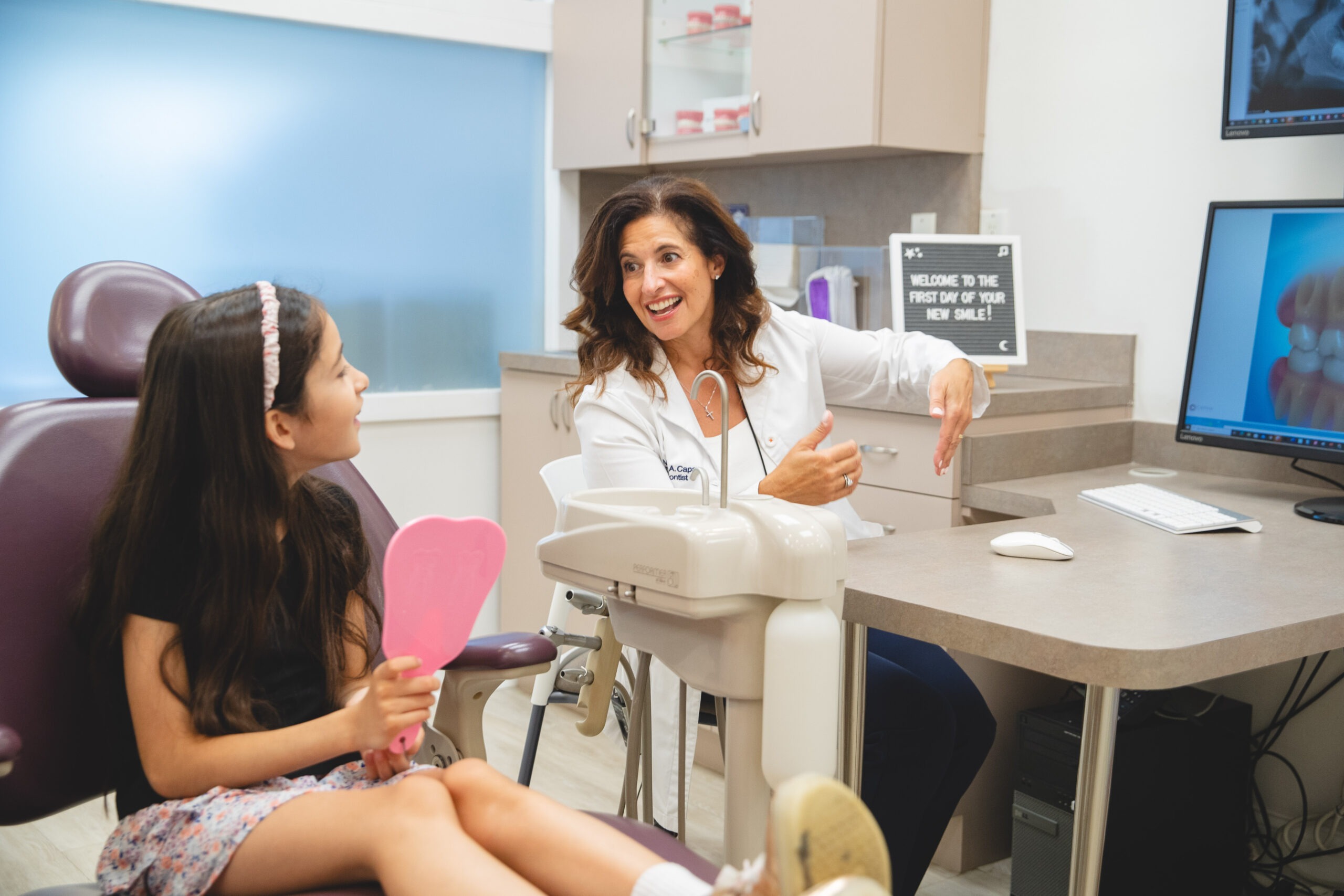
Hybrid orthodontic treatment combines fixed braces with clear aligners in a single, coordinated smile plan. Braces handle the heavy lifting first, and clear aligners then finish the work with a more discreet look. The goal is simple: use each system where it performs best.
At Capan Orthodontics, hybrid treatment isn’t a backup plan when aligners fall short. It’s a planned strategy from day one. Dr. Capan designs it for adults, teens, and complex cases where a single approach wouldn’t deliver the same result as efficiently.
How Hybrid Treatment Works: Step-by-Step
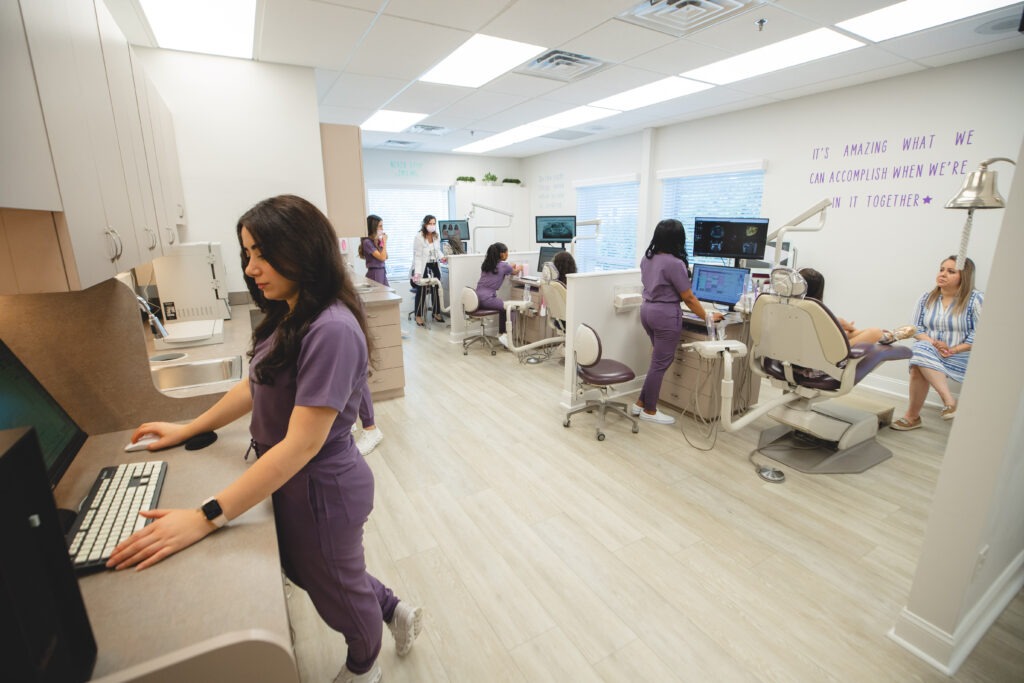
The path follows a clear, phased structure. Here’s what your experience typically looks like:
- Phase 1: Braces do the tough work. Modern metal braces or clear braces are placed first to handle complex movements like tooth rotations, extrusions, and root control. These movements are hard to achieve predictably with aligners alone.
- Phase 1 duration. The braces phase usually lasts around 3 to 6 months, depending on how much heavy movement your case needs.
- Transition visit. Once the major corrections are done, braces come off. Digital scans capture the new position of your teeth.
- Phase 2: Switch to Capan Custom Clear Aligners. Clear aligners take over to finish alignment, refine your bite, and polish the final look.
- Retention. Once your smile hits the target, retainers protect your results long-term.
This phased approach lets Dr. Capan handle difficult mechanics early and then hand you a nearly invisible finish for the rest of your treatment. Most families appreciate the shorter “braces” window and the easier hygiene once aligners take over.
When Clear Aligners Alone Aren’t Enough
Clear aligners are a great option for many cases, but they have limits. Braces still outperform aligners for certain tooth movements. A blended plan is often recommended when your case includes:
- Severe tooth rotations, especially of canines and premolars, which need firm control aligners can’t always deliver.
- Anterior extrusion and deep bite correction, where teeth need to be pulled down or the bite opened.
- Extraction cases where teeth must be translated (moved bodily) into open spaces.
- Impacted teeth that need controlled eruption into the arch.
- Significant root torque or paralleling, common before implants or in complex bite work.
If you’ve been told you aren’t an ideal aligner candidate, a two-phase plan may be the answer. You still get the discretion of aligners for most of your time in treatment, without giving up the results you want to see.
Benefits of Combining Braces and Clear Aligners
Why choose a phased plan over one system alone? Here’s what you gain:
- Shorter total treatment time compared to trying to force aligners to do everything.
- Better aesthetics than a full course of braces, since you’re only in brackets for a few months.
- Handles complex cases that aligners can’t treat predictably on their own.
- Improved comfort during the aligner phase, with no brackets or wires to irritate your cheeks.
- Easier oral hygiene once you switch to aligners, since you can remove them to brush and floss.
You get the clinical strength of braces early, followed by the lifestyle benefits of removable trays. For families who want strong results without giving up appearance during treatment, this pairing solves the tradeoff.
Braces vs. Invisalign vs. Hybrid: Comparison Table
Here’s how the three main options stack up:
| Feature | Modern Metal Braces | Clear Aligners | Hybrid Treatment |
|---|---|---|---|
| Treatment duration | 18–30 months (typical range) | 12–24 months (typical range) | Often shorter than aligners alone for complex cases |
| Aesthetics during treatment | Visible brackets and wires | Nearly invisible | Braces for 3–6 months, then discreet aligners |
| Case complexity handled | All levels, including complex | Mild to moderate | Complex cases with an aesthetic finish |
| Comfort & lifestyle | Some irritation; no removal | Removable; eat and brush freely | Short braces phase, then aligner freedom |
Every case is different, so your actual timeline and treatment plan depend on your specific smile goals.
Hybrid Treatment Timeline: What to Expect
A typical two-phase calendar runs like this:
- Months 1–4: Braces phase. Dr. Capan focuses on rotations, extrusions, and root positioning.
- Transition visit: Braces come off. Digital scans are taken for your Capan Custom Clear Aligners.
- Months 5–14: Aligner phase. You wear each tray for about 1 to 2 weeks, changing them as Dr. Capan directs.
- Refinement (if needed): A short set of extra aligners can perfect any final details.
- Retention: Custom retainers keep your new smile in place for the long haul.
Your total time depends on how much movement your teeth need and how consistently you wear your aligners. Consistency is everything in Phase 2, so the trays need to be in for around 22 hours each day to keep your case on schedule.
Who Is a Good Candidate for Hybrid Treatment?
A blended plan works well for a wide range of families. You may be a strong candidate if you are:
- An adult who wants discretion but has complex bite or rotation issues.
- A teen with severe rotations, deep bite, or extraction needs.
- Previously told you aren’t an Invisalign candidate.
- Dealing with deep bite, open bite, or impacted canines.
- Looking for faster results than aligners could deliver alone.
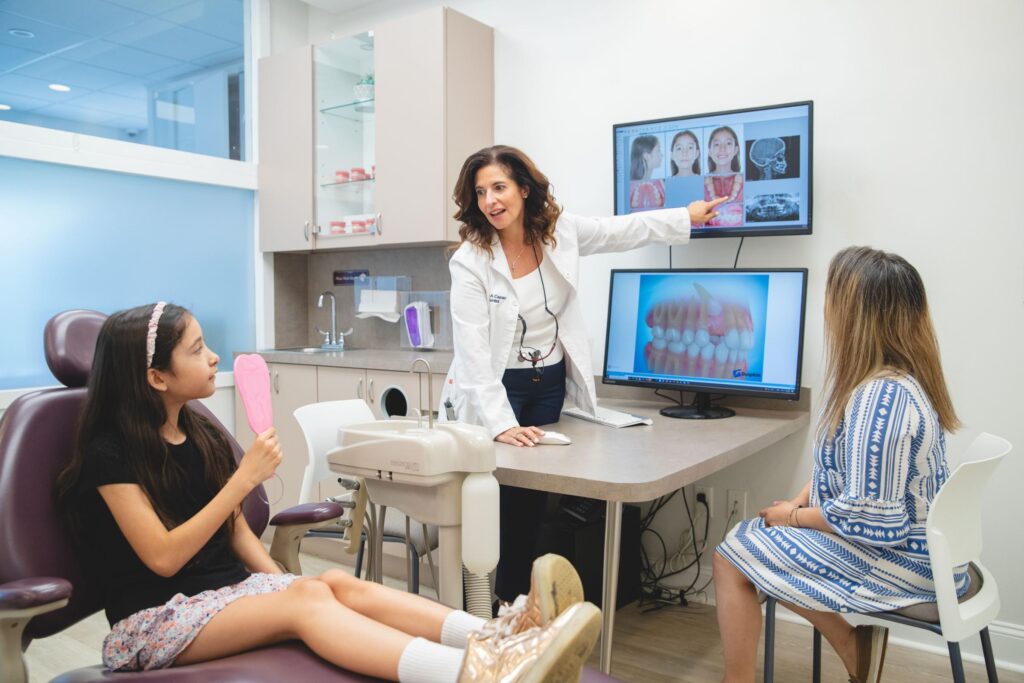
The best way to know for sure is a free consult with Capan Orthodontics. Dr. Capan will review your smile in person, take digital scans, and let you know whether hybrid treatment is the right path for you or your teen.
Insurance Considerations for Hybrid Treatment
Most orthodontic insurance benefits apply to hybrid treatment the same way they do to braces or aligners on their own. Our team will help you understand your specific coverage during your free consult, so you know what to expect before you commit to a start date.
Choosing an Orthodontist for Hybrid Treatment
A phased plan requires real skill in both braces and clear aligners. Not every provider offers it, and not every provider does it well. Here’s what to look for:
- Experience with both systems, not just one.
- A track record with hybrid cases and clear before-and-after results.
- Digital treatment planning with scans and imaging.
- Board certification and clear aligner provider credentials.
- A consultation that includes a phased treatment plan you can understand.
Dr. Natalie Capan is a board-certified orthodontist with 25 years of experience helping families throughout Bergen County get results that last.
Frequently Asked Questions
Can you combine braces and Invisalign?
Yes. Combining braces and clear aligners in a single plan is called hybrid treatment. Braces handle complex movements first, and clear aligners then finish the case with a more discreet appearance. It’s a planned approach designed for cases that benefit from the strengths of both systems.
How long does hybrid orthodontic treatment take?
Most two-phase plans run around 12 to 18 months total, though your timeline depends on how much correction your teeth need. The braces phase is typically 3 to 6 months, followed by aligners for the remaining months. Dr. Capan will give you a personalized timeline at your free consult.
Is hybrid treatment more expensive than braces or Invisalign alone?
The cost of a two-phase plan depends on your case complexity and how long each phase takes. At your free consult, Dr. Capan and our team will walk you through your specific plan and answer any questions before you decide.
Does hybrid treatment hurt more?
No. A two-phase plan isn’t more uncomfortable than braces or aligners alone. You may feel mild soreness after adjustments or when starting a new aligner tray, which is normal. Most families actually enjoy the aligner phase because there are no brackets or wires to irritate the cheeks.
Can teens get hybrid orthodontic treatment?
Absolutely. Teens are often great candidates, especially those with severe rotations, deep bites, or extraction needs. A phased plan gives them the strong results of braces early on and the confidence boost of nearly invisible aligners for the finish.
Why would my orthodontist recommend hybrid over Invisalign?
Certain movements, like severe rotations, deep bite correction, and closing extraction spaces, are hard to achieve predictably with aligners alone. If your case includes those factors, a blended plan delivers better results in less time. It’s a strategic choice, not a compromise.
Schedule Your Hybrid Treatment Consultation
A phased plan pairs the clinical power of braces with the everyday discretion of clear aligners, so you get strong results without months of visible brackets. If you’ve been wondering whether it’s the right fit for you or your teen, the next step is simple.
Book a free consult with Capan Orthodontics to meet Dr. Capan, get a personalized smile plan, and see your options in detail. Prefer to start from home? Our virtual consult option makes it easy to get answers on your schedule. Your best smile starts today.